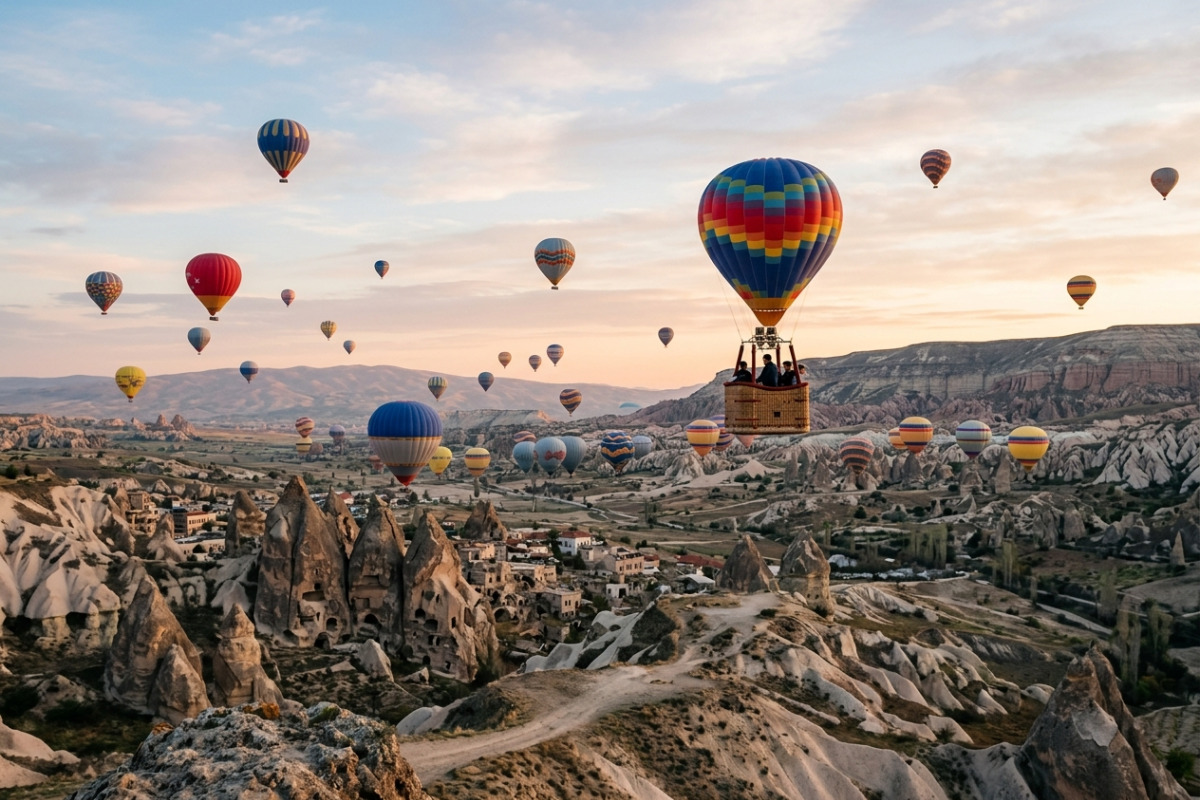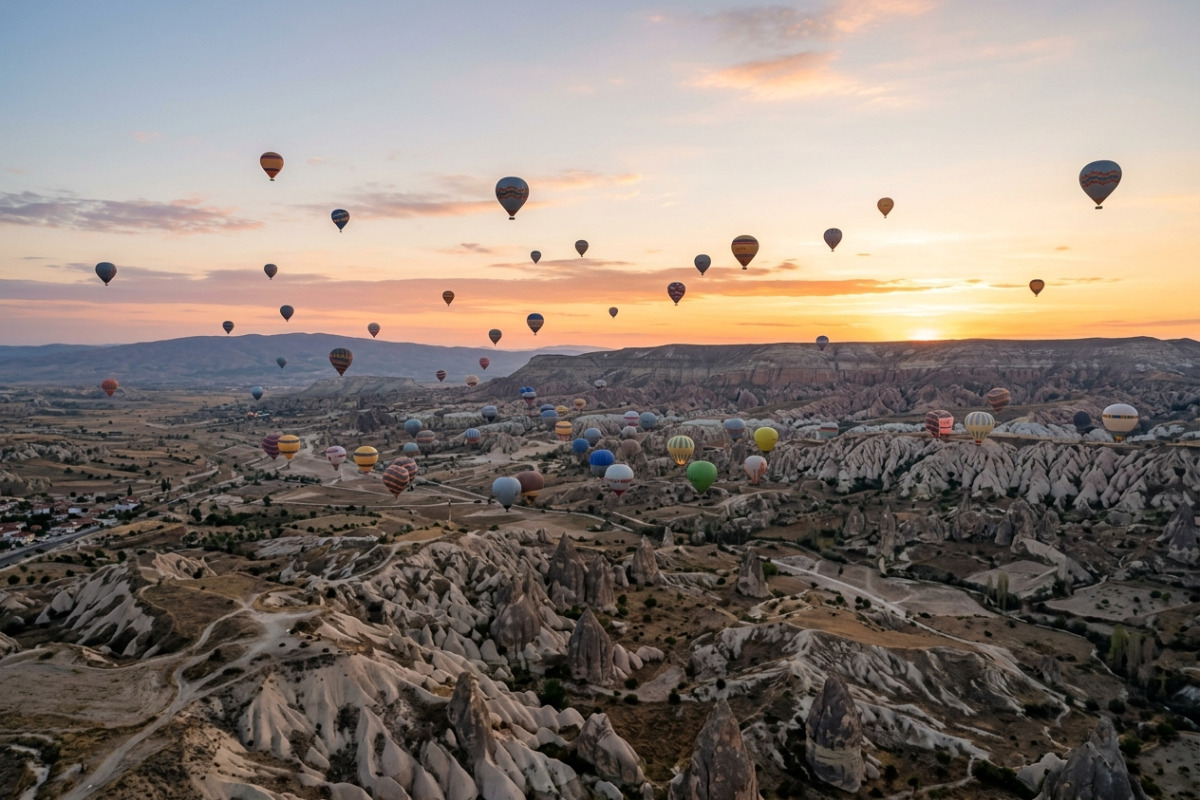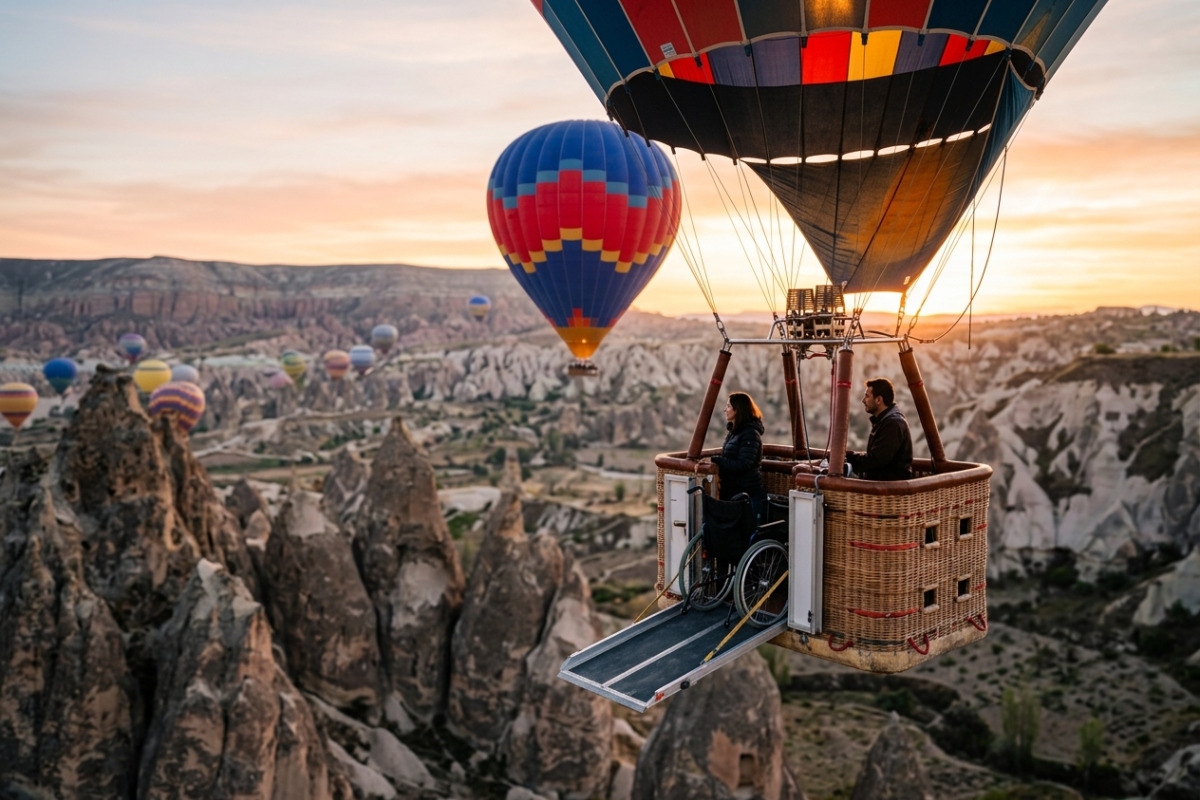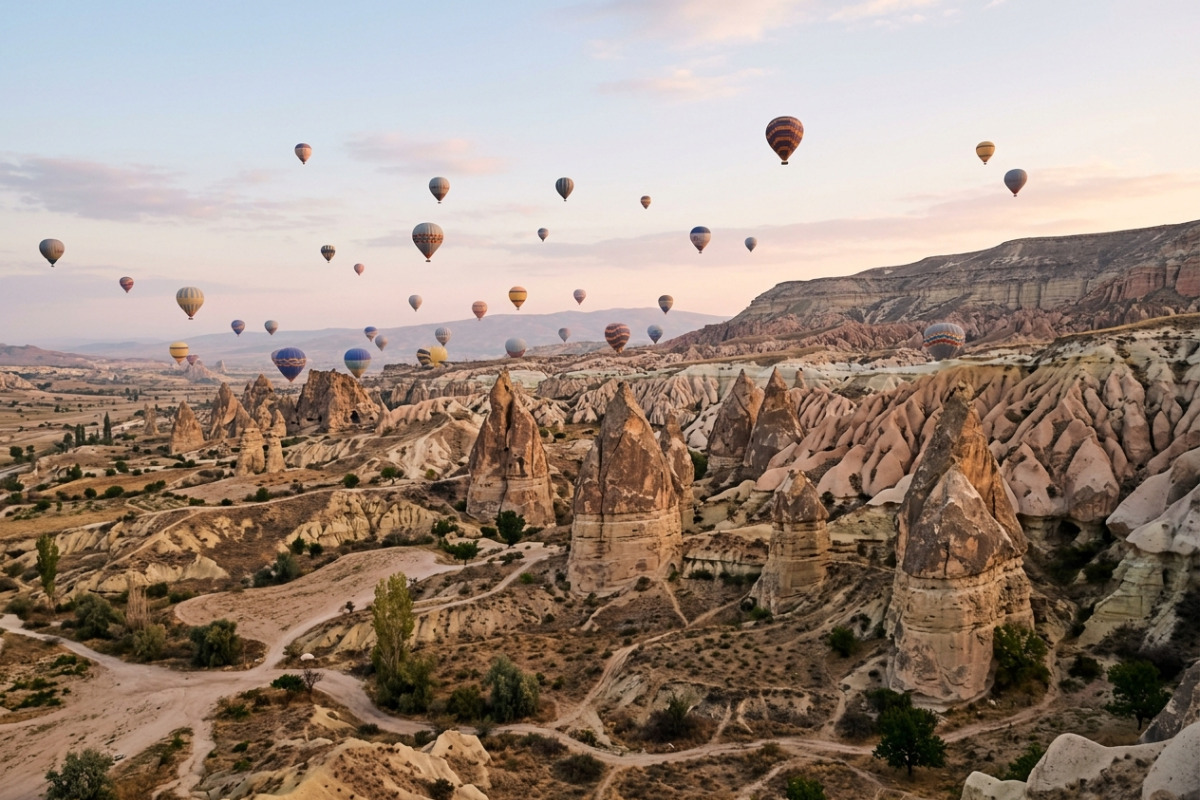
When you look down from a balloon or walk a winding trail, the story beneath your feet is geological. Understanding Cappadocia valley geology helps you read the landscape — from the soft tuff beds to the dramatic fairy chimneys — and transforms a scenic visit into a meaningful exploration. This guide gives you practical, travel-focused insight so you can spot key formations, plan smart hikes, and respect fragile ground.
How Cappadocia's Valleys Were Formed
The story starts roughly 10 to 2 million years ago with massive volcanic eruptions from Mount Erciyes, Mount Hasan, and Mount Melendiz. These eruptions blanketed the region in thick layers of ash and lava. Over time, those deposits compacted into soft volcanic rock known as tuff, interlayered with harder ignimbrites and basalt. These contrasting layers respond differently to weathering, which is the engine of Cappadocia's distinctive shapes.
Wind, water, and freeze–thaw cycles sculpt the terrain. Rain cuts gullies and channels, while frost pries apart weak zones in the tuff. Where a protective cap of harder rock (like basalt or ignimbrite) sits atop softer layers, you get the chimney-like columns and hoodoos that define the valleys. Human carving — for dwellings and churches — then added another layer of cultural complexity to the natural landscape.
Volcanic roots: tuff, ignimbrite and pumice
Tuff is the dominant building block of the valleys: a lithified volcanic ash that is relatively soft, porous, and easy to carve. Harder ignimbrite layers resist erosion and form protective caps. When you touch a tuff face, you may notice a gritty texture with embedded pumice fragments; that tactile clue helps you identify the rock on short walks.
Erosion: slow art in stone
Erosion in Cappadocia is not a single process but a choreography of elements. Sudden downpours accelerate gully formation, whereas steady wind abrasion polishes exposed surfaces. Understanding these processes explains why some slopes are smooth and rounded while others are jagged and columned. For more logistical help on visiting these sites, check our Visitor Guide.
Cappadocia Valley Geology: Identifying Rock Types and Features
When you explore a valley, look for three easy-to-spot features: the caprock, the column body, and the valley floor sediments. These correspond to different erosion resistances and tell you about past volcanic episodes.
- Fairy chimneys (hoodoos) — columns with a harder caprock; look for bulbous tops (often basalt) that protect a slender stem of softer tuff.
- Cave façades and carved rooms — human-modified tuff; notice tool marks, straight lines, and entrances that contrast with natural weathering.
- Terraces and benches — horizontal layers of varying hardness; these mark changes in eruption intensity or material composition.
- Alluvial fans and gullies — recent deposits of gravel and sand at valley mouths; they reflect modern erosion and water flow.
Point your camera at exposed stratigraphy (layering) and you’ll capture a timeline: thick light-colored bands often indicate heavy ash falls, while darker layers hint at lava flows or denser deposits. Reading these bands helps you interpret the valley’s evolution over millions of years.
Microclimates, Vegetation and Seasonal Surface Changes
Valleys in Cappadocia can host surprisingly different microclimates over short distances. North-facing slopes remain cooler and retain more moisture, supporting shrubs and grasses, while south-facing slopes bake in the sun and show more bare tuff. These differences affect erosion rates and the colors you’ll see through the year.
Spring brings green carpets and wildflowers that highlight terraces and ridgelines; autumn deepens ochres and reds as certain plants senesce. In winter, frost action can widen cracks in the rock, accelerating breakdown. When you plan a hike or a photo session, factor in seasonal surface changes because they alter texture, color, and safe footing.
Practical Tips: Hike, Observe and Photograph with Geological Insight
Start simple: pick a valley with clear trails and spend an hour identifying features rather than trying to cover miles. Bring a small hand lens or use your phone camera to inspect grain size and layering — these details reveal whether rock is tuff, volcanic ash, or a denser flow.
- Safety first: Avoid climbing unstable chimneys or overhangs; fresh fractures and undercut bases can collapse unexpectedly.
- Respect heritage: Many cave churches and carved façades are fragile — refrain from touching frescoed or hollowed surfaces.
- Leave no trace: Stick to established paths to reduce erosion and protect sensitive flora that stabilizes the volcanic soil.
For photography, low sun angles reveal stratification and texture. If you’re timing a valley walk around a balloon flight, expect softer light in early morning and dramatic shadows during golden hour — both ideal for emphasizing geological form.
Quick Field Comparisons
| Feature | What to look for | What it tells you |
|---|---|---|
| Caprock on chimney | Dense, darker rock layer | Slower erosion → older resistant deposit (Basalt/Ignimbrite) |
| Horizontal benches | Thin ledges or steps | Different eruption phases or material hardness |
| Gullies | Deep narrow channels | Active water erosion; recent surface change |
Summary & Plan Your Geological Walk
Understanding Cappadocia valley geology adds context and safety to your valley visits: you’ll know which slopes to trust, why chimneys look like they do, and when to expect seasonal changes. A little geological literacy turns scenic wandering into an informed discovery, helping you notice details most visitors miss.
Ready to pair geology with aerial perspective? Combine a valley hike with a balloon experience for unmatched context — learn more about Ballooning in Cappadocia and plan your trip using our Visitor Guide. Bring a notebook, respect the rock, and let the landscape tell its long story.