Floating over Cappadocia is unforgettable, but small choices before and during the launch shape whether your morning becomes iconic or just pleasant. These Cappadocia balloon tips focus on behavior, positioning, and local practices that elevate the experience beyond generic advice.
Preparing your expectations: what these Cappadocia balloon tips actually change
Many travelers come hoping for dramatic photos and an effortless ride; the reality is a guided, weather-dependent flying experience where cooperation with crew and pilot matters. Understanding how the team manages the flight and what they want from passengers will reduce surprises and help you stay relaxed when conditions change.
Set realistic expectations about flight paths and landing zones: pilots choose routes to prioritize safety and a rewarding panorama, not a fixed list of landmarks. By preparing mentally for flexible routing, you’ll notice more subtle beauties of the landscape and enjoy a calmer flight.
Choosing your spot in the basket: layout, comfort, and etiquette
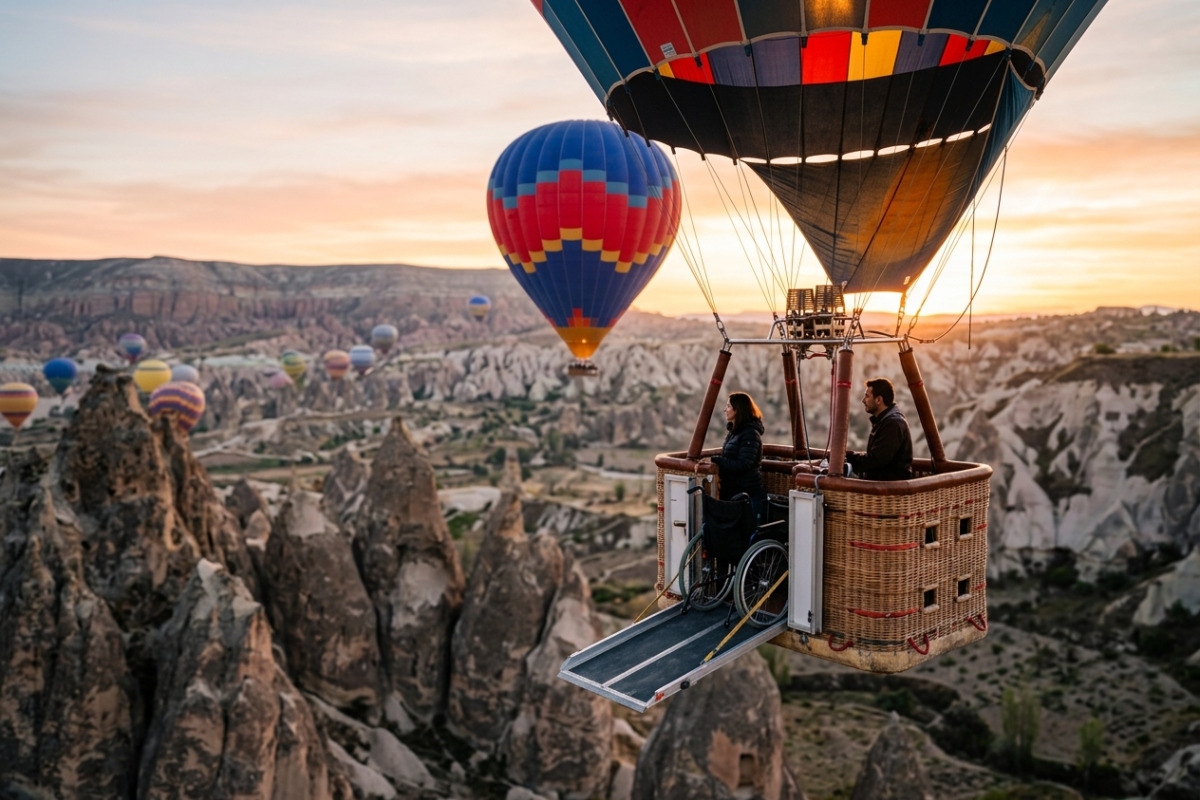
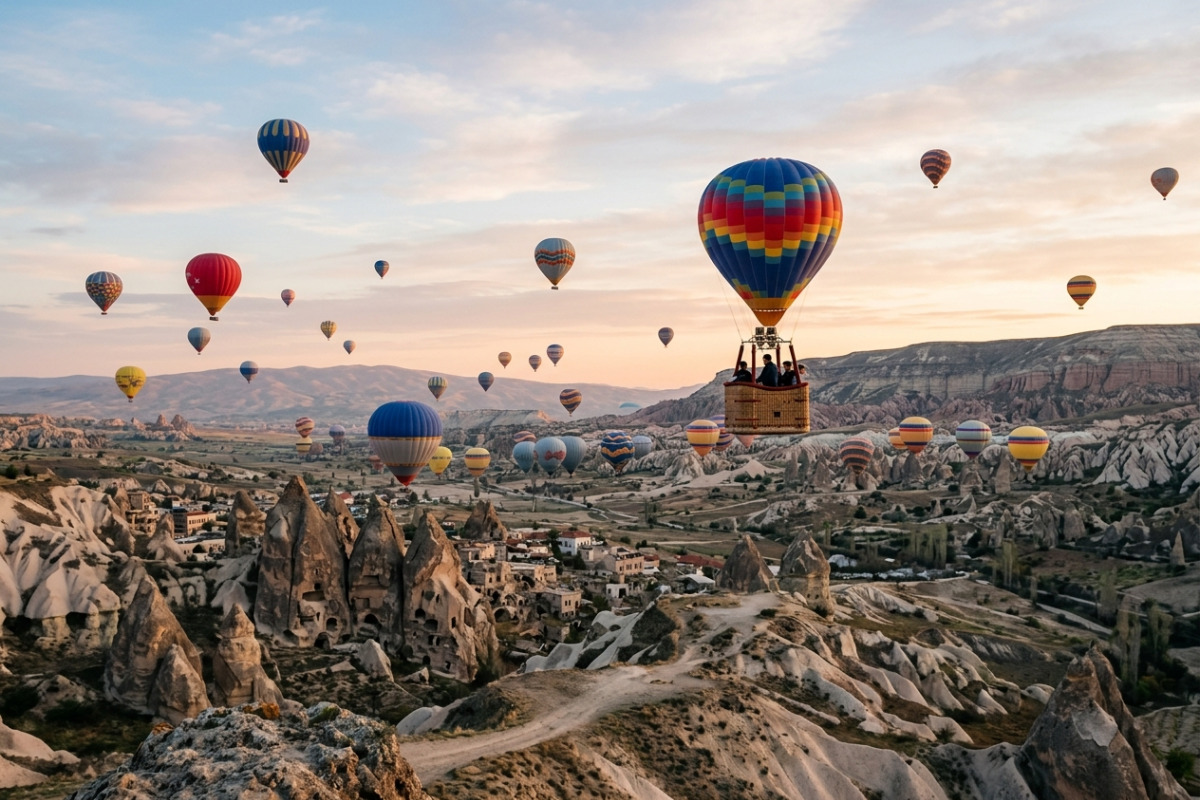
Your location in the basket affects your view and how you interact with others. Most Cappadocia balloons use large, partitioned baskets divided into four passenger compartments. This design ensures that everyone has a 'window seat' at the edge, regardless of where they are placed.
Understanding the Compartments
Since the balloon rotates 360 degrees during the flight, there is no permanent 'front' or 'back.' Instead of trying to pick a side, focus on your position within your assigned compartment. Corner spots offer a wider peripheral view, while being closer to the partition provides a bit more stability to lean against. Ground crews allocate spots to balance weight, so follow their lead during boarding.
Keep movement minimal: because the basket is partitioned, you cannot move between sections. Within your section, avoid sudden shifts that might block a fellow passenger's camera or throw off the pilot's trim. Simple etiquette—communicating with your immediate neighbors before leaning in for a shot—makes the flight smoother for everyone.
Reading flight dynamics: learn how pilots use wind and terrain
Pilots steer mainly by selecting altitudes with different wind directions and speeds; they rarely change horizontal course with mechanical steering. Observing this early will help you understand why the balloon turns or drifts and why the pilot occasionally asks you to adjust your stance.
What to listen for during the briefing
Pay attention to phrases like "steady winds at 600 meters" or "we'll aim for a softfield landing"—these signal specific maneuvers. The pilot’s briefing will tell you about likely landing zones, how busy the sky is, and whether they plan to get low near rock formations or remain higher for panoramic flight.
When you hear explanations about wind shear, thermals, or ridge effects, the pilot is explaining how local terrain will influence the balloon. A little understanding here reduces anxiety and helps you anticipate the 'landing position'—crouching low and holding the internal handles—when it's time for touchdown.
On-board conduct that improves everyone's flight
Small behaviors make big differences in a shared, open basket: soft voices keep the pilot's announcements audible, and coordinated movements keep the envelope balanced. Aim to be present and observant rather than constantly moving—this preserves everyone’s line of sight and supports the pilot’s work.
- Master the landing position: When the pilot calls for it, crouch down, face the opposite direction of travel, and hold the safety handles firmly.
- Follow instructions immediately; they’re often timed to specific wind shifts or clearance requirements.
- Be mindful of belongings—loose items like lens caps or phones can fall during landing and are difficult to recover from the valley floor.
If you or a travel companion get motion-sick, tell the crew discreetly before launch; many pilots can adjust altitude choices to smoother layers or advise simple breathing techniques. Good communication with staff usually produces quick, practical solutions that preserve the trip for everyone.
After landing: crew routines, tipping, and local customs
The post-flight ritual in Cappadocia is part celebration, part logistics: crews secure the balloon, help passengers out, and often offer a traditional non-alcoholic toast or certificate. Knowing the typical sequence makes the end of the flight feel like a smooth conclusion rather than a rushed scramble.
Tipping is customary but not mandatory; a discreet tip for the pilot and ground crew is appreciated and reflects the skill involved in a safe landing. If a ceremony or small toast is offered, join in—these moments connect you to the local ballooning community and make for meaningful memories.
Finally, allow time after the flight for debriefing and packing: crews sometimes take photos, hand out certificates, or coordinate your transfer back to accommodation. If you want to learn more about local logistics or how balloon operations fit into a wider Cappadocia itinerary, check the Visitor Guide for practical recommendations.
Summary and next steps: bring these Cappadocia balloon tips to your morning
These tips center on mindset, communication, and small in-flight choices that compound into a significantly better experience. By understanding the basket layout, listening to the pilot, and respecting crew routines, you make the flight safer and more memorable for yourself and others.
If you want a deeper look at how balloon operations work across the region and what to expect on a typical flight, our ballooning in Cappadocia resource outlines operators, launch areas, and standard procedures. Book thoughtfully, arrive ready to cooperate, and you’ll leave with an experience that feels uniquely Cappadocian.