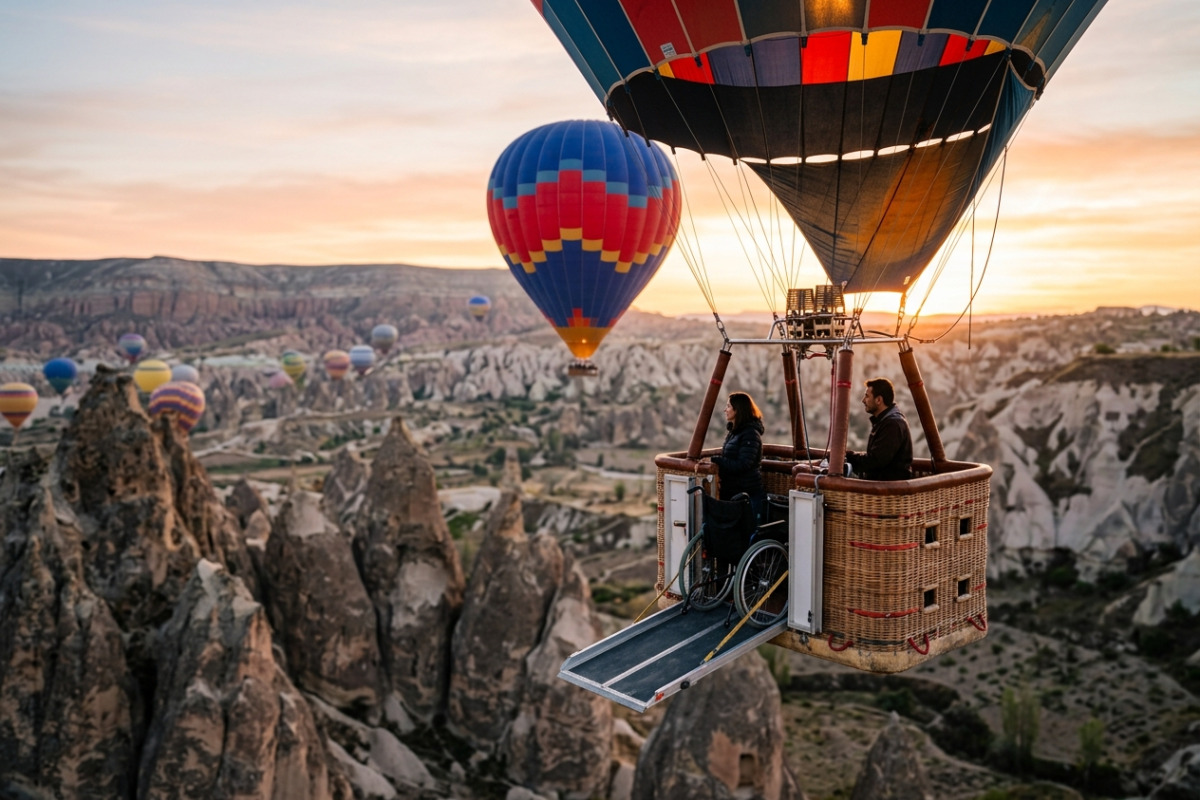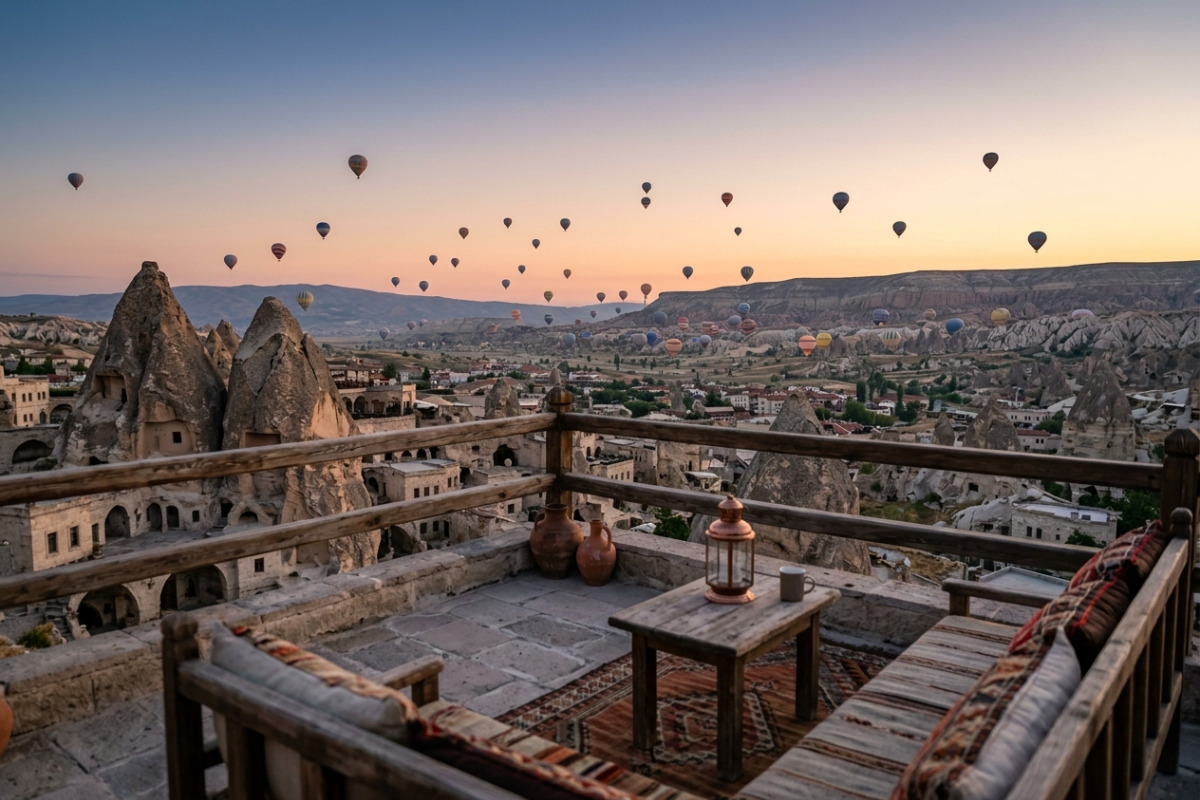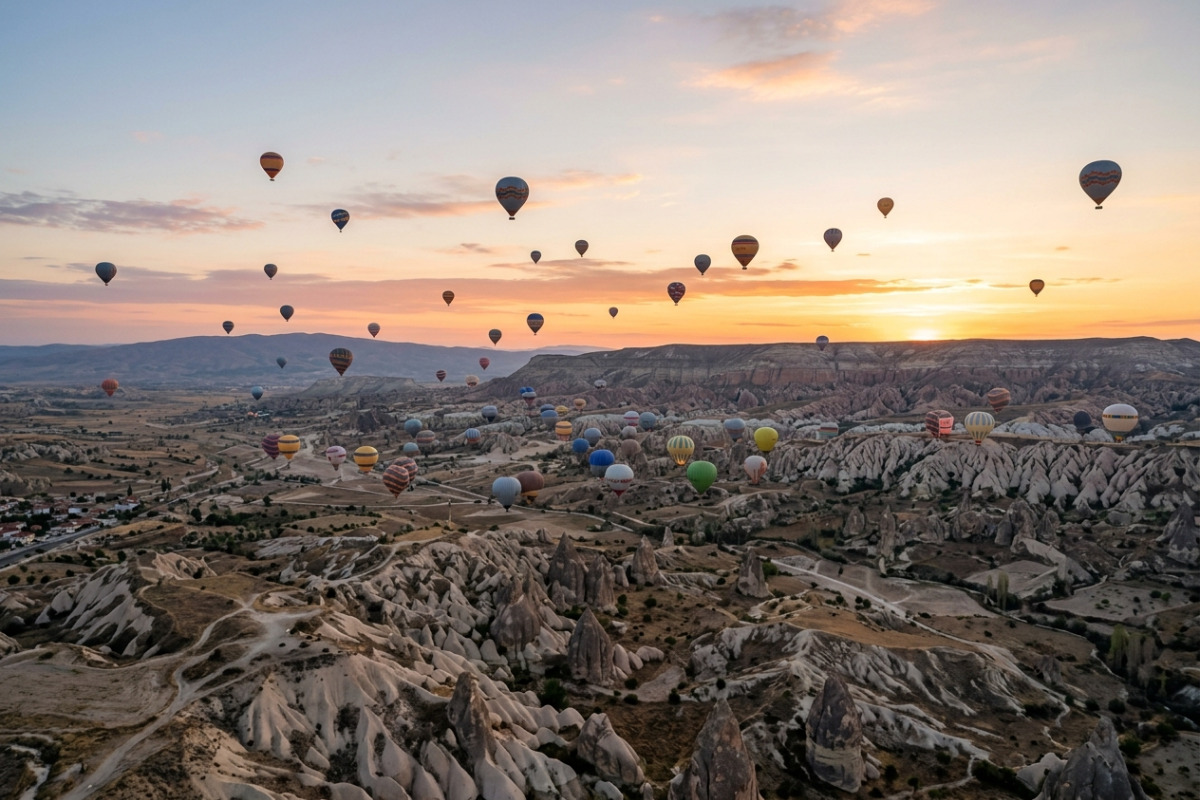
Deciding when to book your balloon flight can transform a great trip into a once-in-a-lifetime memory. The phrase "Cappadocia balloon seasons" captures how weather, daylight and local life shift across the year — and those shifts determine visibility, landscape colors, and the kind of atmosphere you’ll find at dawn.
Understanding Cappadocia balloon seasons
Cappadocia occupies a continental climate zone: hot, dry summers and cold, snowy winters with volatile transitional springs and autumns. These seasonal patterns directly shape ballooning conditions. For example, stable mornings with light winds occur more often in late spring and early autumn, while winter can offer dramatic snowy panoramas but more frequent flight cancellations due to gusts or fog.
Beyond safety and operability, seasons alter the character of the landscape. Wildflower carpets appear in spring, harvest tones and golden light warm the valleys in autumn, and winter silences the region under frost. Understanding these differences helps you match expectations to experience rather than hoping for a single ideal day.
Cappadocia balloon seasons: month-by-month snapshot
Below is a concise monthly snapshot to help you weigh pros and cons. Use it to align your travel goals — solitude, photo moods, or pairing with local festivals — with the most appropriate month.
| Month | Typical conditions | What you’ll notice | Best for |
|---|---|---|---|
| January | Cold, possible snow, variable winds | Snow-covered fairy chimneys; quieter tourism | Dramatic winter scenes, low crowds |
| February | Cold, clearer spells | Sharp air, crisp light; more cancellations possible | Snow contrasts, off-season rates |
| March | Transition from cold to mild; windy days | Early blooms; mixed weather windows | Transition scenery, fewer tourists |
| April | Milder, more stable mornings | Wildflowers and verdant valleys | Balance of good weather and color |
| May | Warm, reliably calm | Clear air, strong sunrise colors | Excellent flight reliability |
| June–August | Hot days, calm mornings | Golden summer light; crowds peak | Summer travel, lively towns |
| September | Stable, cool mornings | Harvest light, great visibility | One of the best all-round months |
| October | Cooling, crisp air | Rich autumnal tones, fewer crowds | Colors and calm mornings |
| November | Variable, increasing wind | Moody skies; quieter sites | Off-peak exploration |
| December | Cold, possible snow | Festive feel; shorter days | Winter ambiance, lower visitor numbers |
Remember that microclimates in Cappadocia mean conditions can change valley to valley. It is important to note that all flights are regulated by the Turkish Civil Aviation Authority (SHGM), which uses a flag system to permit or cancel flights region-wide based on real-time wind speeds and safety data.
Seasonal activities and local rhythms to pair with your flight
When you consider a balloon flight, think about the broader daily itinerary. Seasons strongly influence what else you can enjoy before or after your sunrise—vineyard harvests in autumn, camel treks in late spring, or cozy evenings in cave hotels during winter.
Spring and early summer (April–June)
Spring brings wildflowers and fresh greens; it's a lively time for guided hikes through valleys. Local guesthouses reopen fully after winter, and small events celebrating the season can add cultural texture to your stay. You’ll often find mornings calm enough for ballooning followed by warm days ideal for exploring.
Autumn and harvest time (September–October)
Autumn pairs warm light and cooler temperatures—perfect for extended sightseeing. September hosts grape harvests in nearby villages, and you can sometimes find seasonal tastings or small festivals. Early autumn often delivers a balance of consistent flying mornings and comfortable daytime temperatures.
Winter shifts the rhythm: some activities scale back, but the quieter streets and snow-dusted formations appeal to travelers who prefer introspection and dramatic landscapes over bustling tourist sites.
How seasons change on-the-ground logistics
Seasonality affects more than scenery; it changes practical travel details. Shuttle services from hotels to launch sites run year-round but may operate on reduced schedules during low season. For more logistical tips, consult our Visitor Guide. Road conditions can also vary — light snow rarely closes main routes, but heavier storms can slow transfers.
Accommodation availability and pricing follow the calendar. High season (late spring through early autumn) sees higher prices and faster room turnover, while winter and late autumn often offer better rates and more personal service from small hotels. If you want flexible scheduling or compensation options, research operator policies in advance.
Tip: Check local calendars for cultural events—pairing a balloon morning with a village festival or a regional tasting can turn a flight into a fuller cultural experience.
Summary and next steps
Choosing the right time to fly is about matching the mood you want to experience with seasonal realities. Cappadocia balloon seasons shape everything from visibility and valley color to crowd size and local activities, so plan with those priorities in mind rather than chasing a single perfect day.
For more practical details on visiting Cappadocia and what to expect on the day of your flight, read our Visitor Guide. To understand how ballooning in Cappadocia works and the safety protocols involved, explore our dedicated guide. Ready to choose the season that fits you best? Use the month-by-month snapshot above and start planning your trip today.