About Cappadocia
A land sculpted by volcanoes, carved by civilisations, and made legendary by legends
A land sculpted by volcanoes, carved by civilisations, and made legendary by legends
Cappadocia is a historical region in central Turkey, renowned for its distinctive "fairy chimney" rock formations, ancient cave dwellings, and underground cities. Located in the Nevşehir Province, this UNESCO World Heritage Site draws millions of visitors each year — and for good reason.
The landscape was created millions of years ago when three volcanoes — Erciyes, Hasandağ, and Güllüdağ — erupted, blanketing the region in thick ash that eventually solidified into a soft volcanic rock called tuff. Over millennia, wind and water eroded the rock into the extraordinary spires, cones, and pillars that define Cappadocia today.
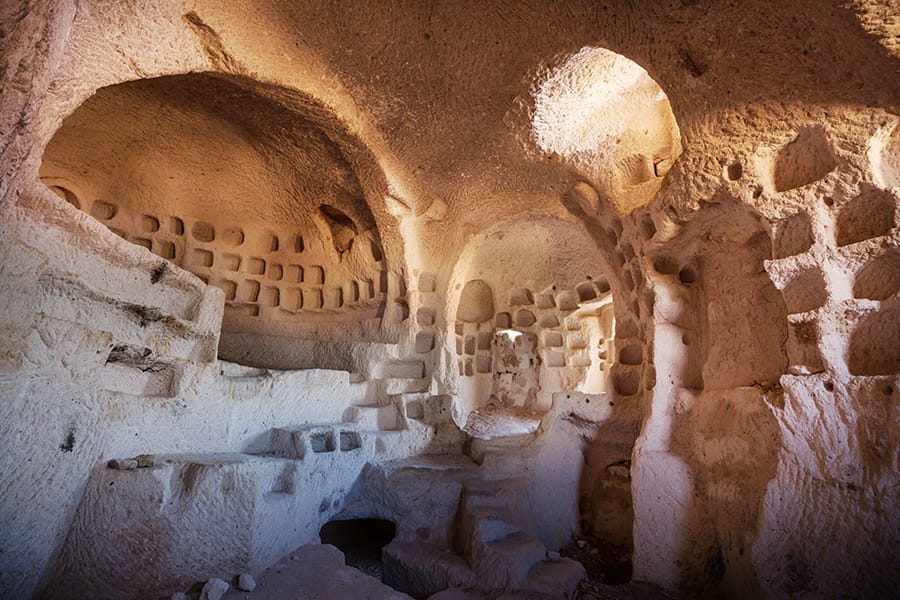
Early inhabitants discovered the rock was easy to carve, and over the centuries dug homes, churches, monasteries, and eventually entire underground cities into the soft stone. The result is one of the most unique inhabited landscapes on Earth.
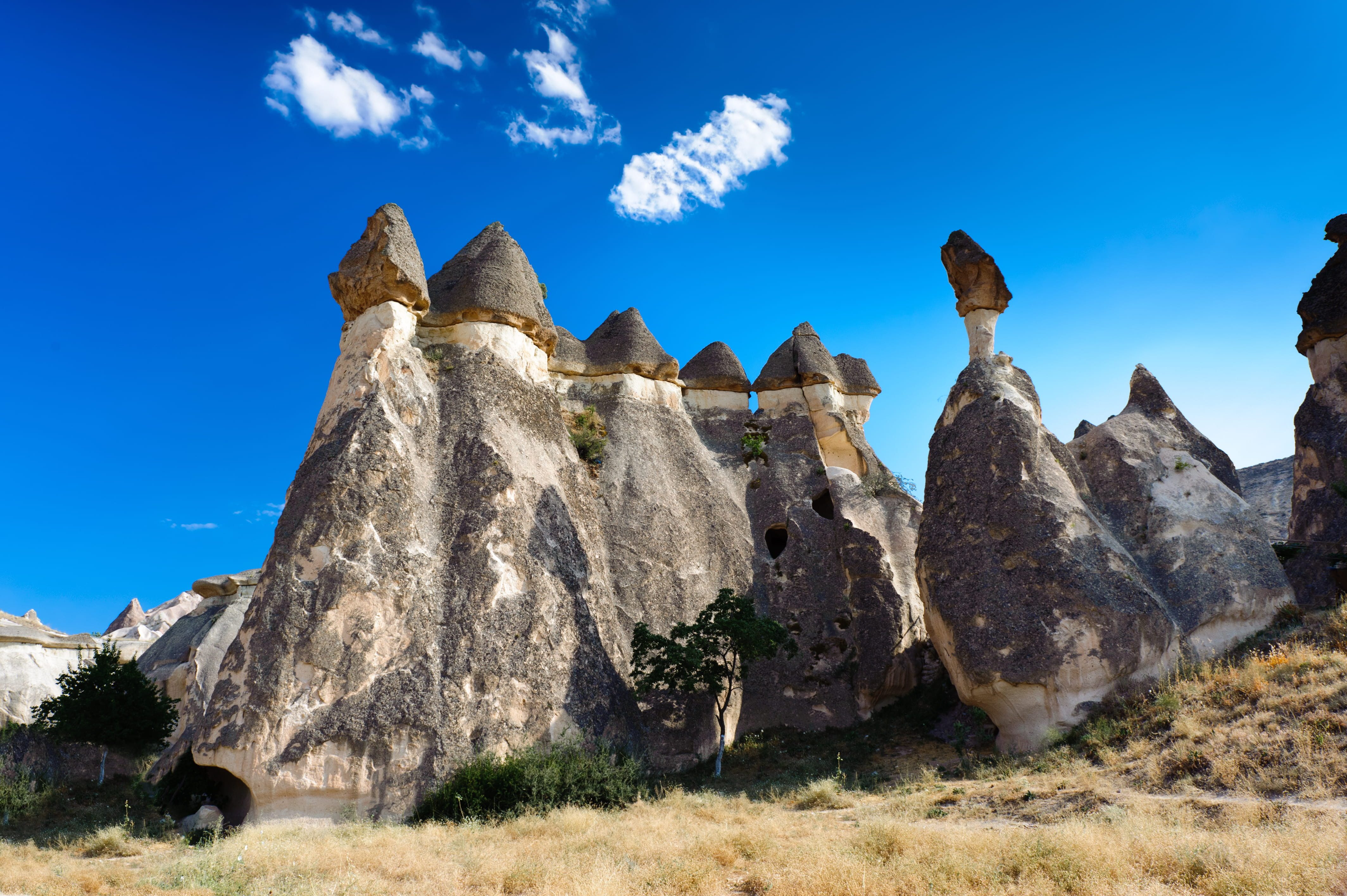
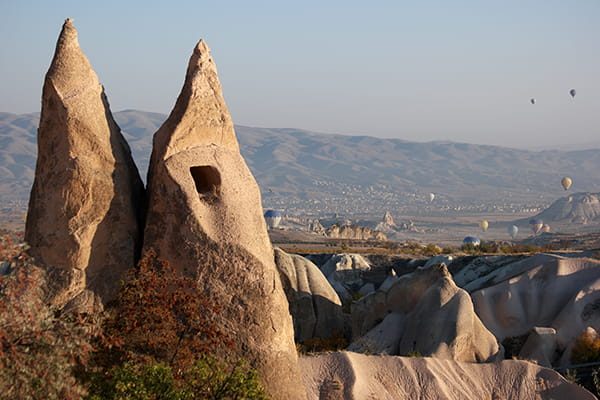
The iconic "fairy chimneys" (peri bacaları) are tall, thin spires of rock that protrude from the ground, often topped with a darker, more resistant rock cap. These remarkable formations occur when harder volcanic rock protects the softer tuff beneath it from erosion.
There are several distinct types: cone-shaped, mushroom-capped, column formations, and sweeping pillars. Göreme Valley, Devrent Valley (Imagination Valley), and Rose Valley offer some of the most dramatic concentrations, particularly magical at sunrise when lit in shades of pink and gold.
Göreme:** The Valley of Churches — dense fairy chimneys with carved interiors
Paşabağ (Monks Valley): Multi-headed mushroom formations, truly otherworldly
Rose & Red Valleys: Iron-rich rocks glow pink and amber in morning light
Devrent Valley: Rock formations resembling animals and figures — known as Imagination Valley
Cappadocia has been inhabited since the Paleolithic era and served as the crossroads of some of history's greatest empires.
Home to the Hittites, Phrygians, and Lydians, Cappadocia was later a satrapy of the Persian Empire before becoming a kingdom in its own right. The famous Cappadocian Kingdom traded horses and precious stones along the Silk Road.
Cappadocia became one of earliest Christian strongholds. Fleeing Roman persecution, early Christians carved hundreds of churches and monasteries into the rock, decorating them with extraordinary Byzantine frescoes. The Göreme Open-Air Museum houses many of these treasures.
Under Seljuk and later Ottoman rule, Cappadocia flourished as a key trade and pilgrimage route. The region's architectural heritage expanded with caravanserais along the Silk Road, mosques, and the distinctive cave architecture that we see preserved today.
Carved as many as 8 floors deep into the volcanic rock, Cappadocia's underground cities are extraordinary feats of ancient engineering. Built initially as refuge spaces and expanded over centuries, they could shelter entire communities along with their livestock and food supplies.
The most famous are Derinkuyu (which descends 85 metres below ground and could shelter up to 20,000 people) and Kaymakli (the largest discovered, with 8 levels, though only 4 are open to visitors).
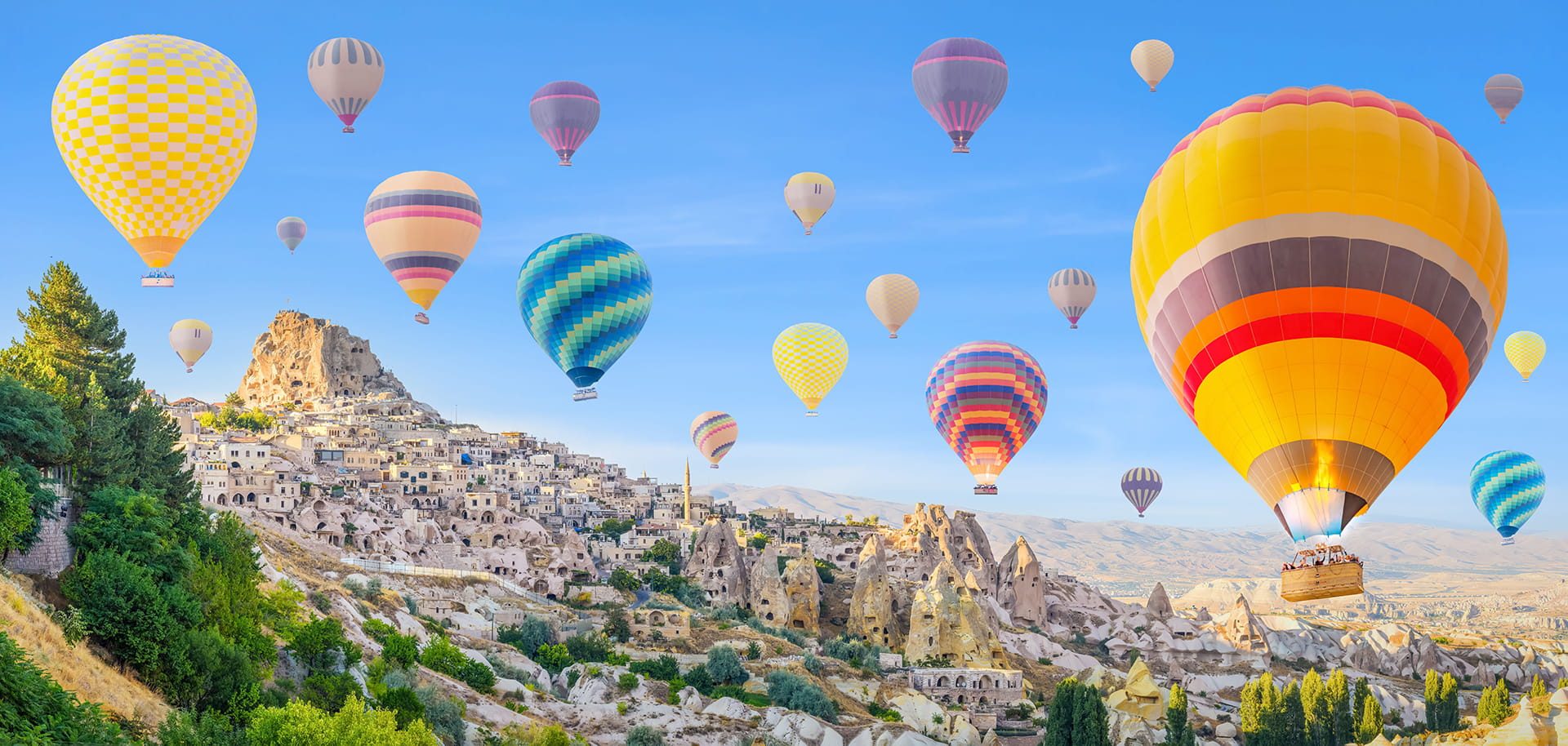
Hot air ballooning in Cappadocia began in the early 1990s and grew rapidly as travellers discovered that this was the most extraordinary landscape in the world to view from above. The unique combination of dramatic formations, perfect thermal air conditions, and the magical light at sunrise created a phenomenon unlike anywhere else.
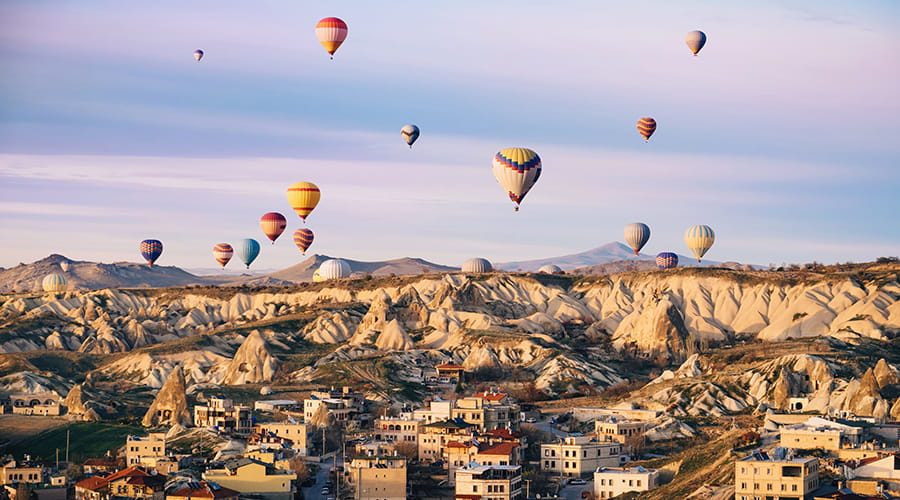
Today, Cappadocia is globally recognised as the world's number one hot air balloon destination, with hundreds of flights departing before sunrise most mornings. The sight of dozens of colourful balloons floating together in the early morning haze above the fairy chimneys has become one of the most iconic images in travel.
Cappadocia's geography creates near-perfect conditions: stable air currents in the mornings, natural thermal channels between the valleys, and consistent weather between April and November. Flights typically launch around 05:30 and last 60–90 minutes, catching the best light of the golden hour.
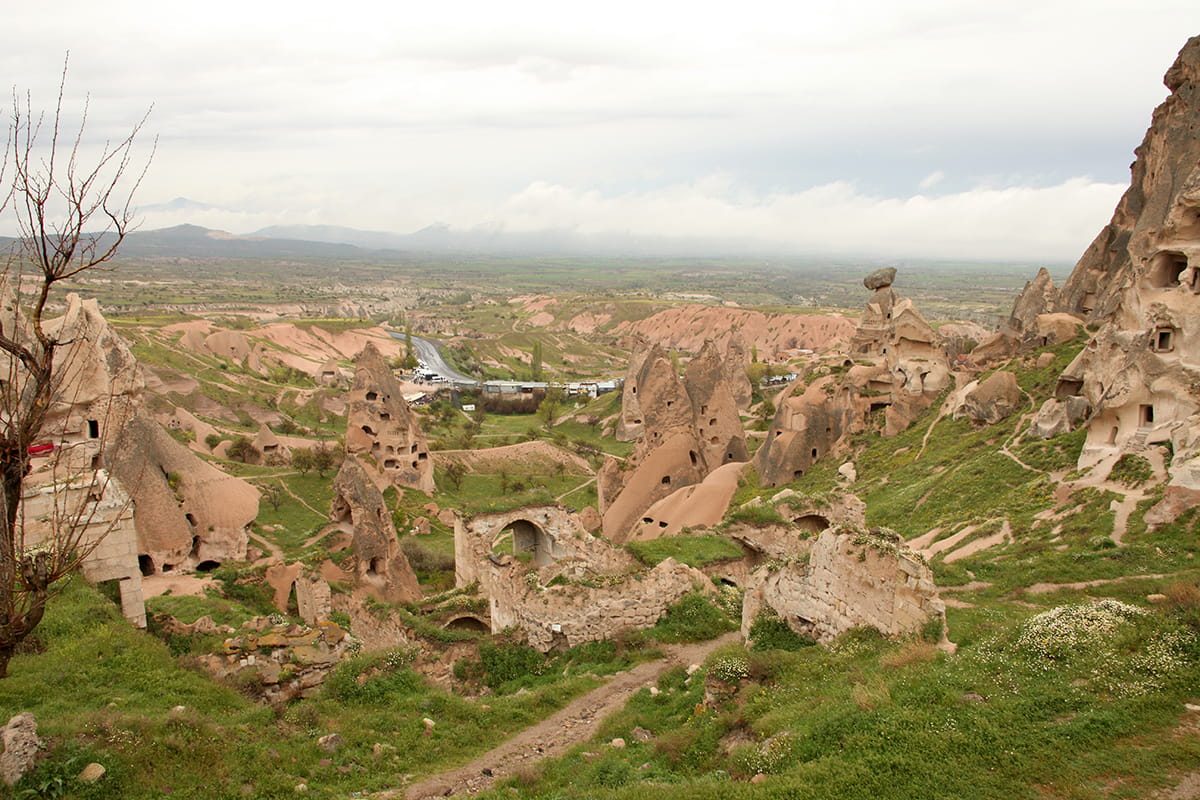
UNESCO-listed complex of rock-cut churches and monasteries adorned with 10th–13th century Byzantine frescoes. A window into the early Christian world.
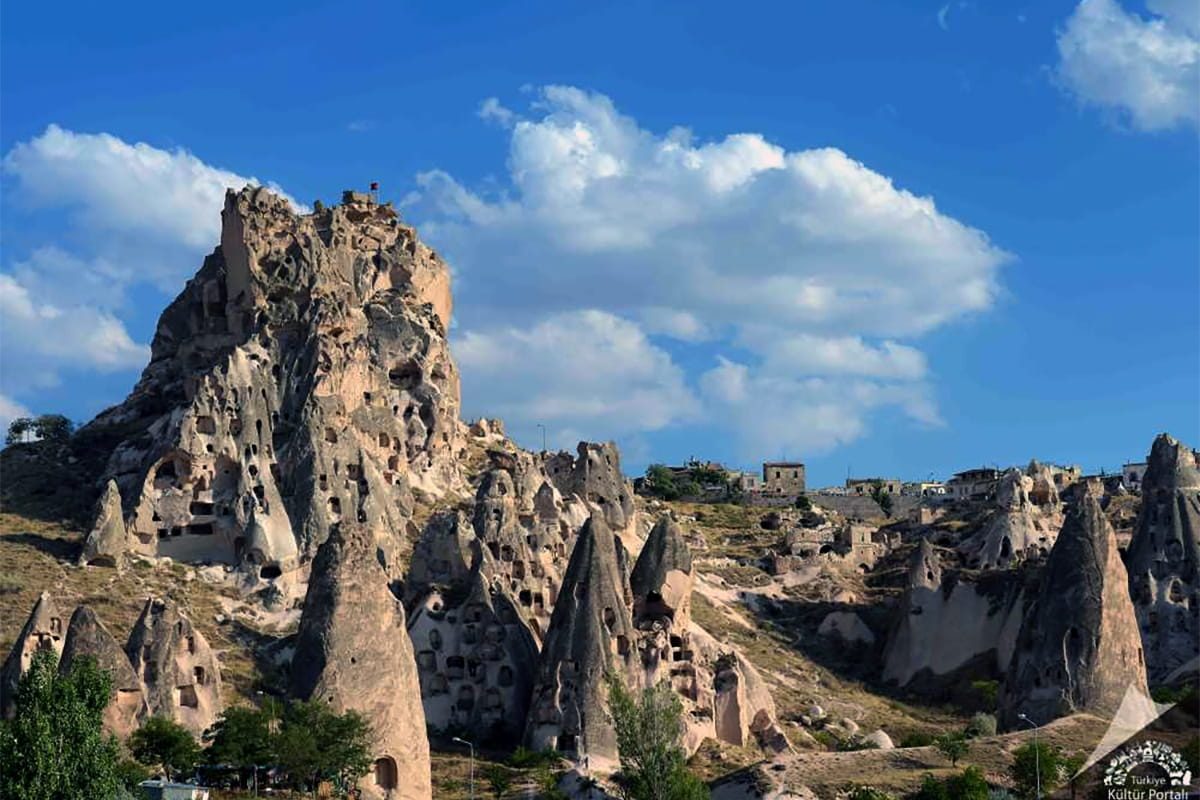
The highest point in Cappadocia — a natural rock fortress riddled with tunnels and caves, offering panoramic views across the entire region.
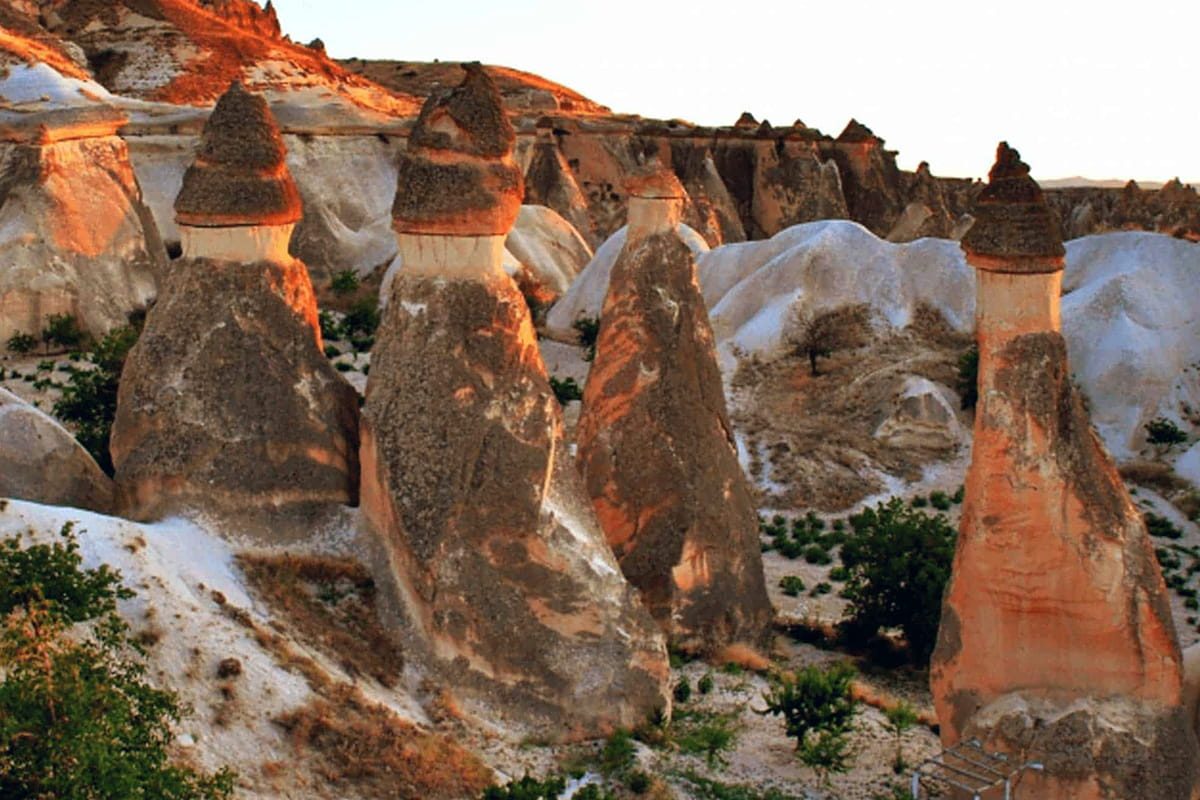
Named for the warm pink hue of its iron-rich rock, this valley turns spectacular shades of rose and amber at sunrise and sunset — best seen from a balloon.
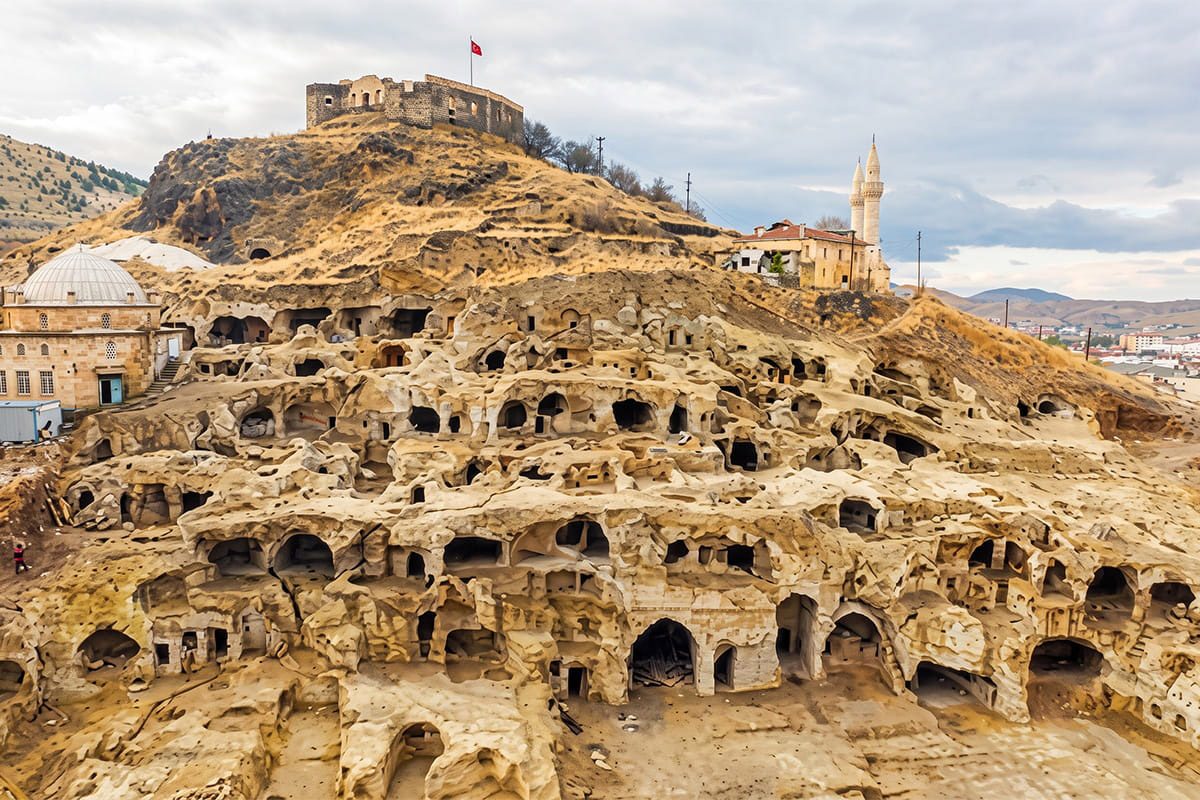
Descend 85 metres underground into the deepest and most complete underground city in Cappadocia. The ventilation shafts, wells, and living quarters are remarkably preserved.
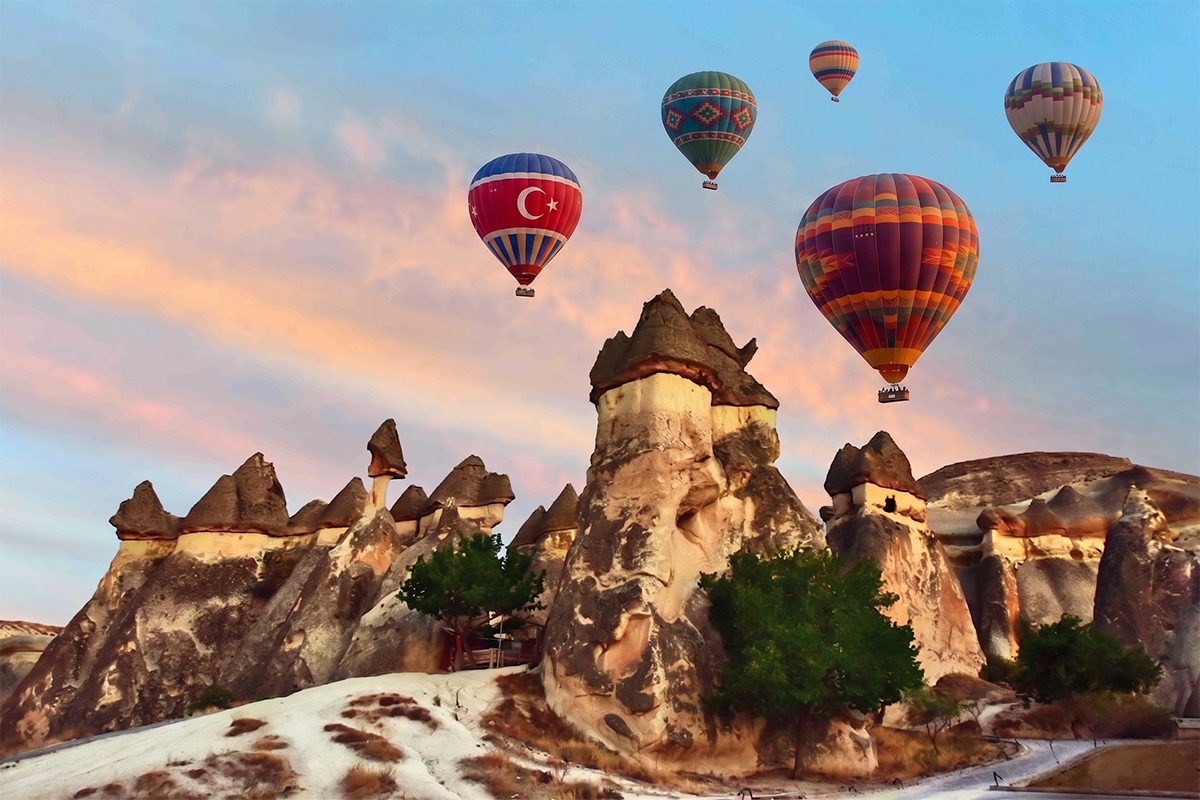
Home to the most spectacular mushroom-capped fairy chimneys in Cappadocia, some with three heads. A favourite stop on any Cappadocia itinerary.
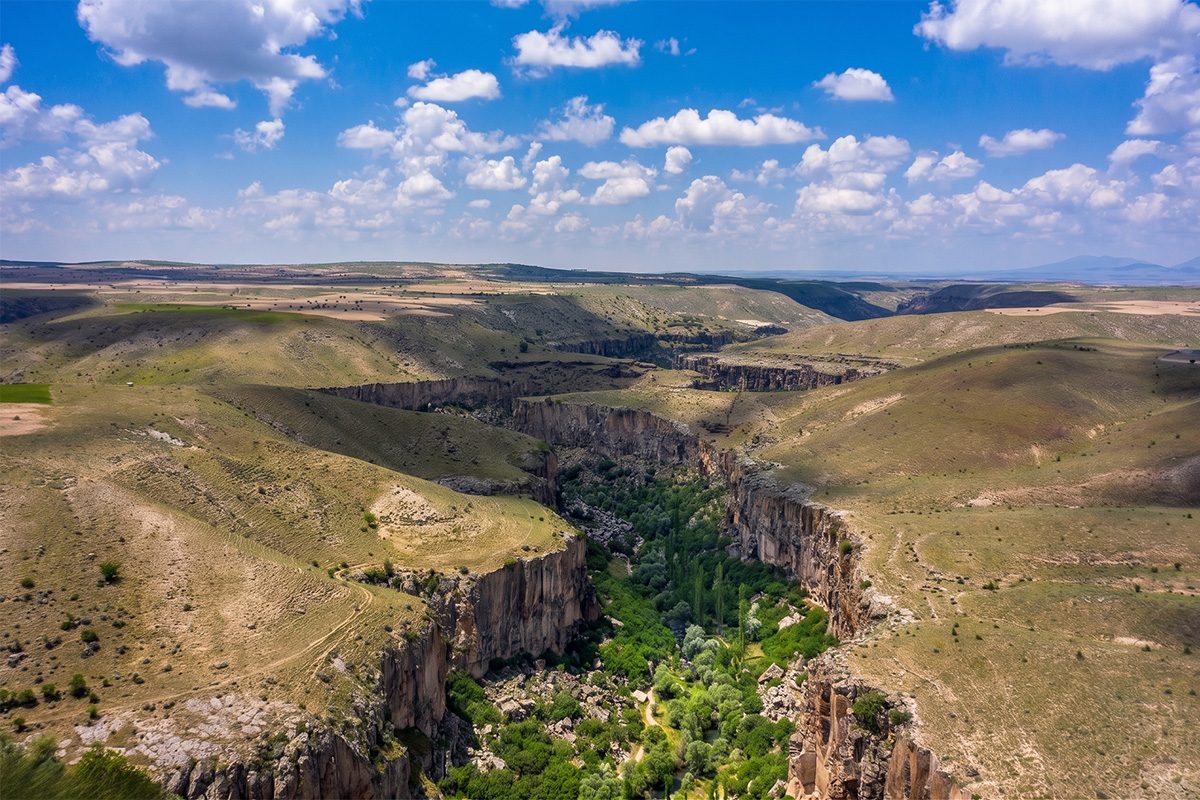
A dramatic 14-kilometre gorge carved by the Melendiz River, with cave churches dotting the cliffs and a scenic hiking trail along the river below.
Ideal weather. Wildflowers bloom across the valleys. Excellent balloon flying conditions. Not yet peak-season crowded.
Peak season with hot days. Early mornings stay pleasant for ballooning and valley walks. Crowds are higher — plan stays ahead.
Perhaps the most beautiful season. Warm golden light, turning foliage, comfortable temperatures. Excellent photography opportunities.
Snow transforms Cappadocia into a winter wonderland. Fewer crowds, quieter valleys. Balloon flying is weather-dependent but magical when conditions allow.
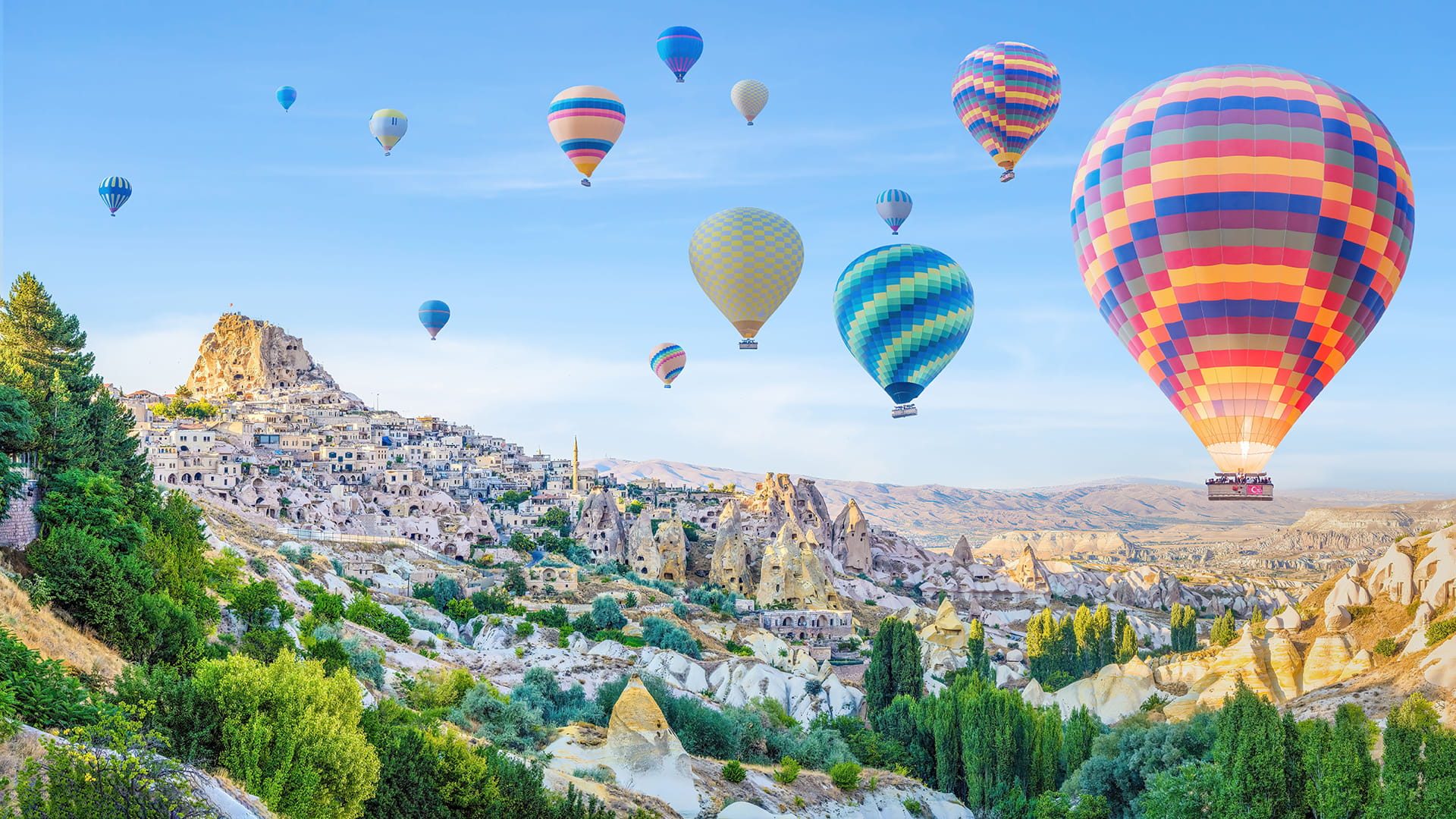
You now have the landscape story. Next: practical timing, stays, and packing — then a sunrise flight if it fits your trip.